.jpg)
If your dentist has recommended a crown, you probably have three questions: what actually happens, what will it cost, and how long will it last before you're back in the chair? The dental crown procedure is one of the most common restorations in dentistry, and knowing what to expect makes the whole thing far less daunting. Here's a straight answer to all three questions.
What a Dental Crown Actually Is
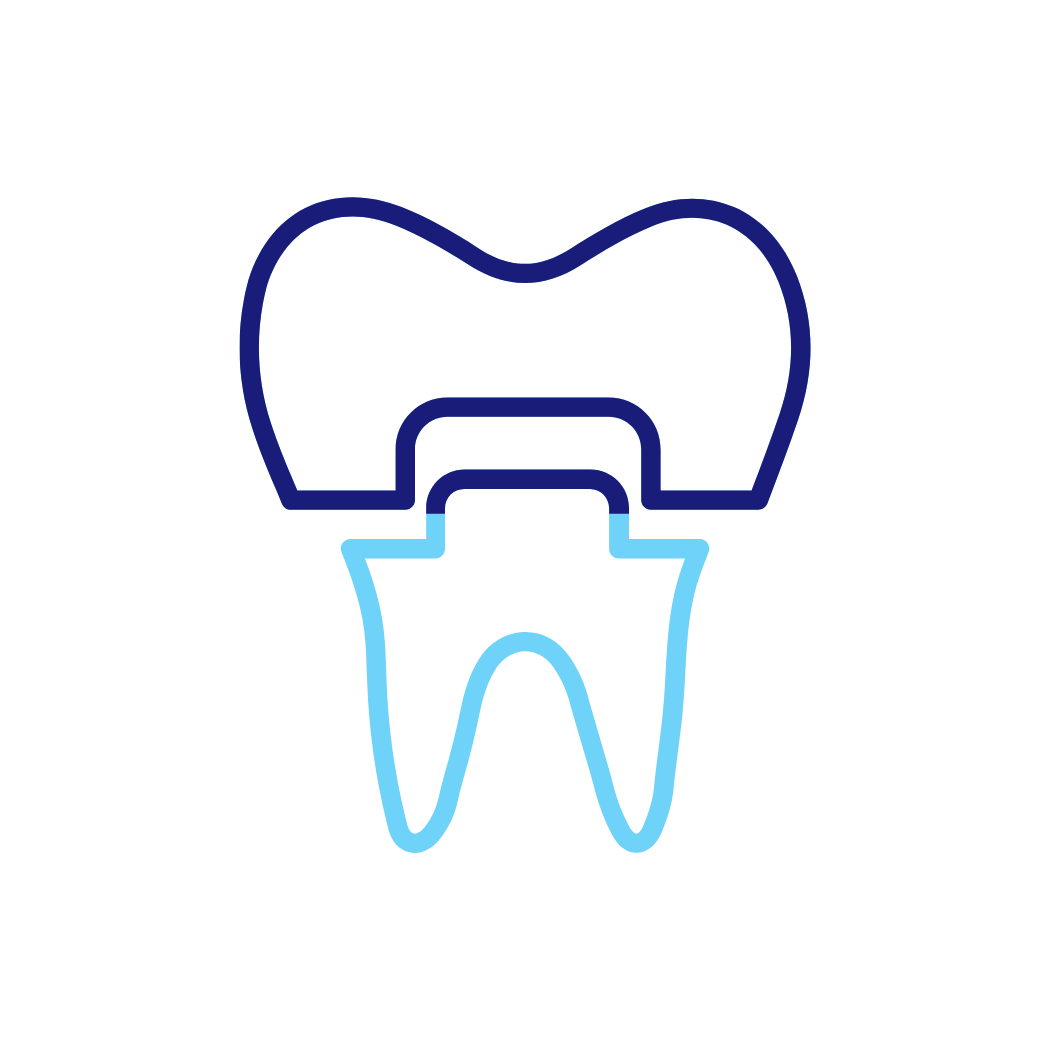
A crown is a custom-made cap that covers a damaged tooth entirely, restoring its strength, shape and appearance. Once it's in place, it looks and functions like a natural tooth, so you can chew, speak and smile normally.
Crowns are typically recommended when a tooth is too decayed or cracked for a simple filling, after a root canal, or to protect a weakened tooth from breaking further. Unlike a veneer, which only covers the front surface, a crown wraps around the whole tooth, which is what gives it the strength to handle full chewing force.
The Dental Crown Procedure: Step by Step
The traditional dental crown procedure is usually completed over two appointments across one to two weeks:
- Exam and planning. Your dentist examines the tooth, takes X-rays, and confirms a crown is the right treatment.
- Tooth preparation. The tooth is numbed with local anaesthetic, then reshaped to make room for the crown to fit over it.
- Impressions or digital scan. A mould or digital scan captures your bite so the crown matches precisely. This is sent to a dental lab.
- Temporary crown. A temporary acrylic crown protects the tooth while the permanent one is fabricated, typically for two to six weeks.
- Final fitting. At the second visit, the permanent crown is checked for fit and colour, then cemented permanently in place.
Some practices offer same-day crowns using CAD/CAM technology, which mills the crown in-office and completes the whole process in one to two hours. Our cosmetic dentistry page covers the options we offer and which suits different cases.
How Much Does a Dental Crown Cost?
Dental crown cost varies mainly by material and tooth location. Without insurance, most crowns run between $800 and $2,500 per tooth. Front teeth, which need premium tooth-coloured materials and precise colour-matching, tend toward the higher end, while some back-tooth options can sit lower.
A few things affect the final figure:
- Material. Porcelain-fused-to-metal is often the most affordable tooth-coloured option, while zirconia and gold sit higher due to their strength and durability.
- Additional procedures. If the tooth needs a root canal or a core build-up first, those are billed separately and add to the total.
- Insurance. Most dental plans classify crowns as a major restorative procedure and cover around 50% after your deductible, so a $1,400 crown might cost roughly $700 out of pocket, assuming you haven't hit your annual maximum.
Because so much depends on your specific tooth and plan, the only way to get an accurate figure is a proper assessment. You can get in touch with our team for a written estimate before any treatment begins.
How Long Do Dental Crowns Last?
Most permanent crowns last 10 to 15 years with proper care, and many last considerably longer. Gold and zirconia crowns tend to perform at the top end of that range, sometimes 20 years or more, thanks to their exceptional resistance to wear and fracture.
A few factors make the biggest difference to how long yours lasts:
- Oral hygiene. The crown itself won't decay, but the natural tooth beneath it can, so brushing and flossing around the margin matters.
- Teeth grinding. Grinding puts extra strain on a crown; a night guard significantly extends its life if you grind.
- Placement quality and material. A well-fitted margin and a material matched to the tooth's job, strength for molars, aesthetics for front teeth, both affect longevity.
- Diet and habits. Avoiding very hard or sticky foods, especially early on, helps protect the crown.
The Bottom Line
A dental crown is a reliable, long-term way to rebuild a damaged tooth, restoring both function and appearance for a decade or more. The procedure is straightforward and comfortable under local anaesthetic, cost depends mostly on material and whether other treatment is needed first, and good home care is the single biggest factor in how long it lasts.
If your dentist has mentioned a crown, or you think you might need one, visit Bright Smile Tacoma to book an assessment and get a clear picture of your options.