TMJ & TMD,
find relief today.
Jaw pain, clicking, headaches, or a locked jaw — these are all signs of TMJ disorder. At Bright Smile Dental, we can help diagnose and treat TMD before it becomes a serious problem.
overview
What is TMJ / TMD?
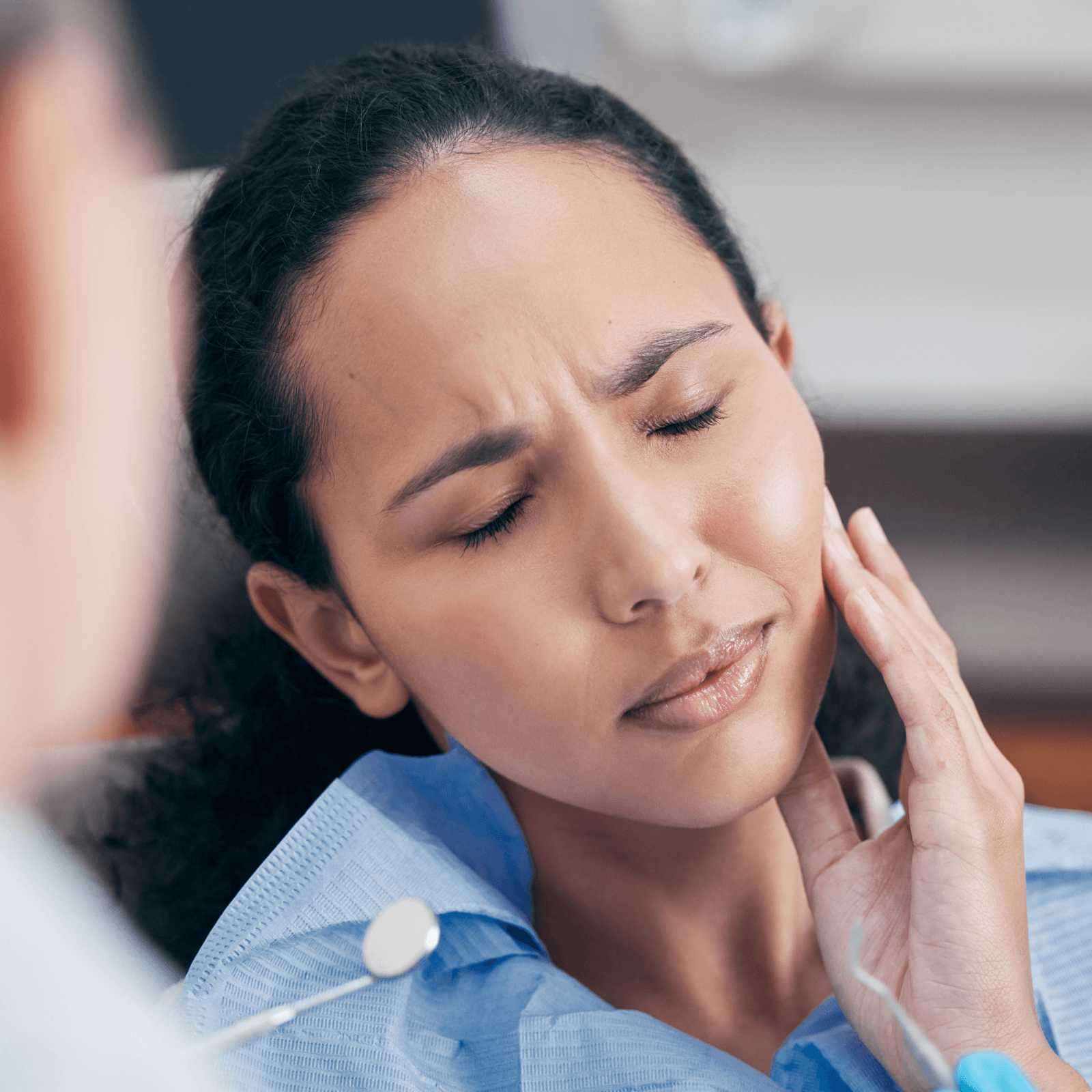
The temporomandibular joint (TMJ) connects your lower jaw to your skull, just in front of your ear. It controls opening, closing, chewing, talking, and yawning.
When this joint is disrupted — from injury, grinding, arthritis, or other causes — it results in TMJ disorder (TMD). Left untreated, TMD can lead to jaw locking or dislocation.
Symptoms
Signs you may have TMD
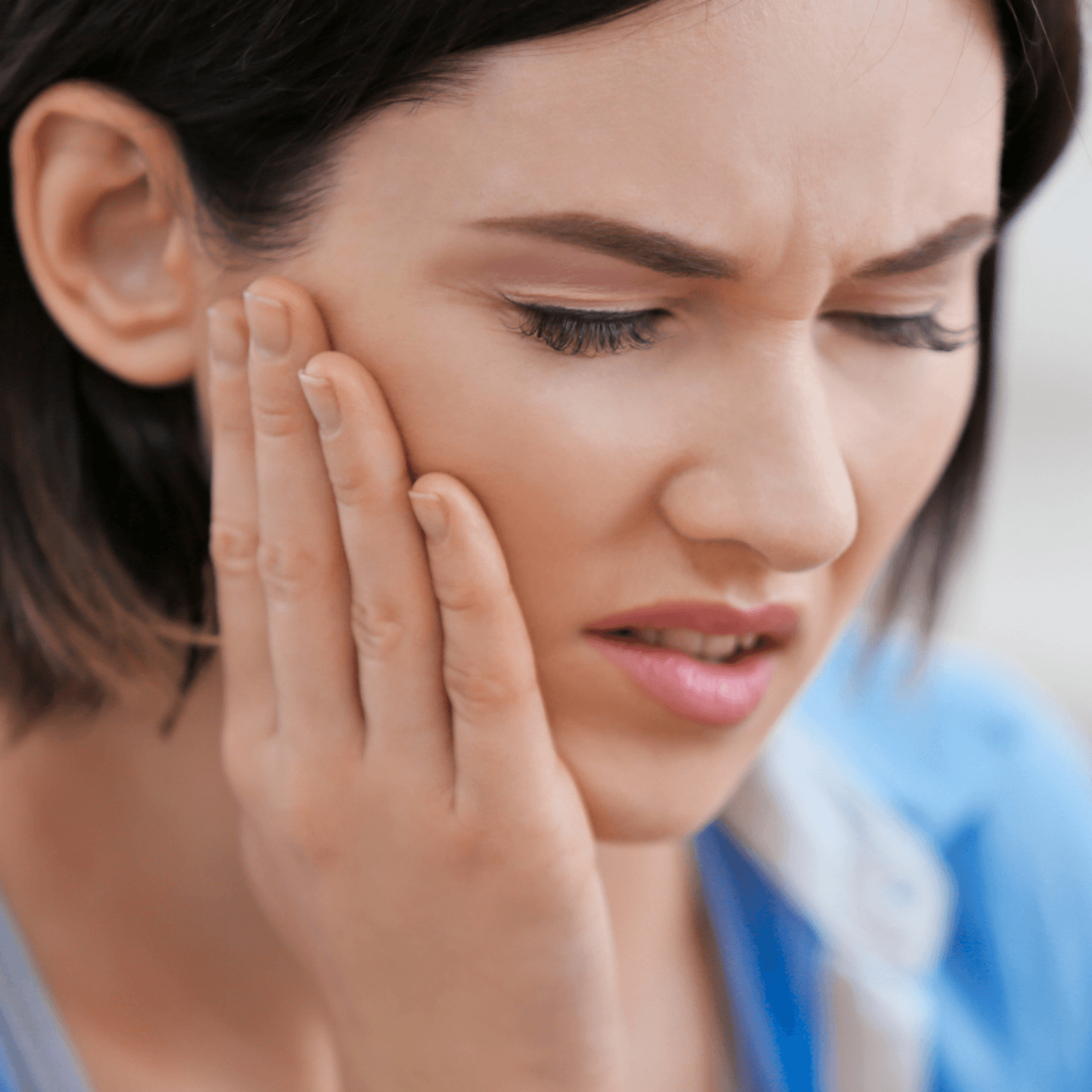
TMD symptoms can extend beyond the jaw. Look out for any of the following:
Jaw tenderness or pain
Clicking or popping sounds
Difficulty opening your mouth
Facial pain
Neck or ear pain
Dizziness or tinnitus
Frequent headaches or migraines
Jaw locking open or closed

Causes
What causes TMJ disorder?
There is no single known cause, but several conditions can contribute:
Surrounding teeth shift into the gap, causing crowding, bite changes, and added stress on your jaw.
Bruxism (teeth grinding) or teeth clenching — especially at night
Arthritis — including osteoarthritis and rheumatoid arthritis
Wear and tear from aging
Infection, disease, or congenital joint conditions
When to seek care
When does TMD need treatment?
For ongoing symptoms — persistent jaw pain, difficulty chewing, or frequent headaches — see your dentist before the condition worsens. Early treatment is far simpler than addressing dislocation or severe joint damage.
Seek immediate care if your jaw locks
A dislocated jaw — locked open or shut — requires emergency care. An ER physician will manipulate the jaw back into position, typically with pain and anti-anxiety medications.
Treatment options
How we treat TMD
01
Custom mouthguard
A fitted nightguard prevents grinding and clenching — the most common TMD trigger.

02
Lifestyle changes
Avoid hard or chewy foods. Soft diet, ice/heat packs, and jaw rest can ease symptoms quickly.

03
Jaw exercises
Targeted stretching exercises to relieve tension and improve joint mobility.
04
Medication
OTC pain relievers or prescription muscle relaxers for moderate cases.
05
Orthodontic care
If bite or alignment issues are causing TMD, braces or realignment may be needed.
06
Stress reduction
Relaxation techniques or cognitive behavioral therapy for stress-driven clenching.
what our patients usually ask us