
Losing a tooth leaves you with a decision that affects your mouth, your budget and your smile for years to come. If you're asking should I get a dental implant or a bridge, the honest answer is that both are good options, they just suit different situations. One replaces the tooth's root; the other rests on the teeth beside the gap. That single difference drives everything else. Here's how to work out which is right for you.
The Core Difference: Root vs. Neighbours
Everything about this decision flows from one fact: an implant replaces the root, while a bridge borrows the neighbouring teeth.
- A dental implant is a titanium post surgically placed into your jawbone, topped with a crown. It stands on its own, exactly where the root used to be.
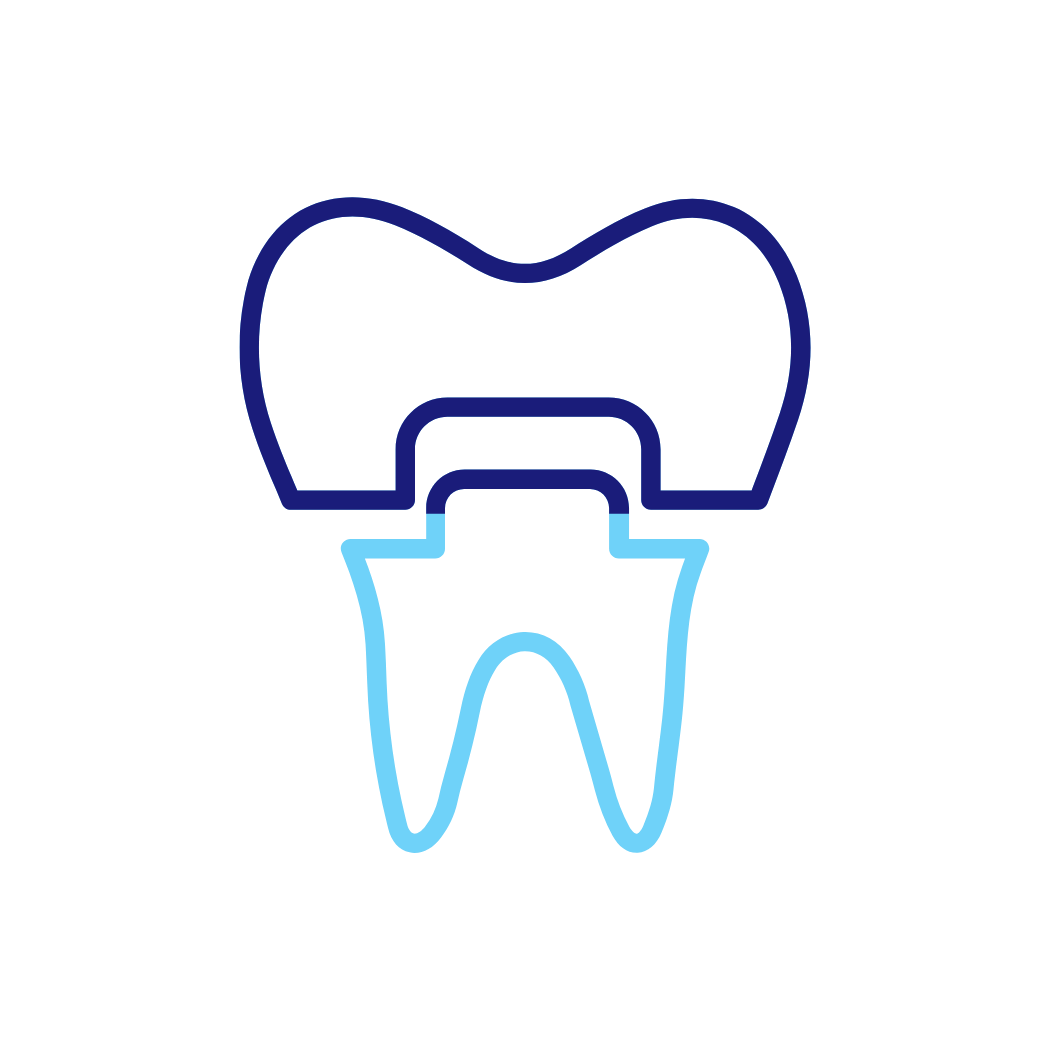
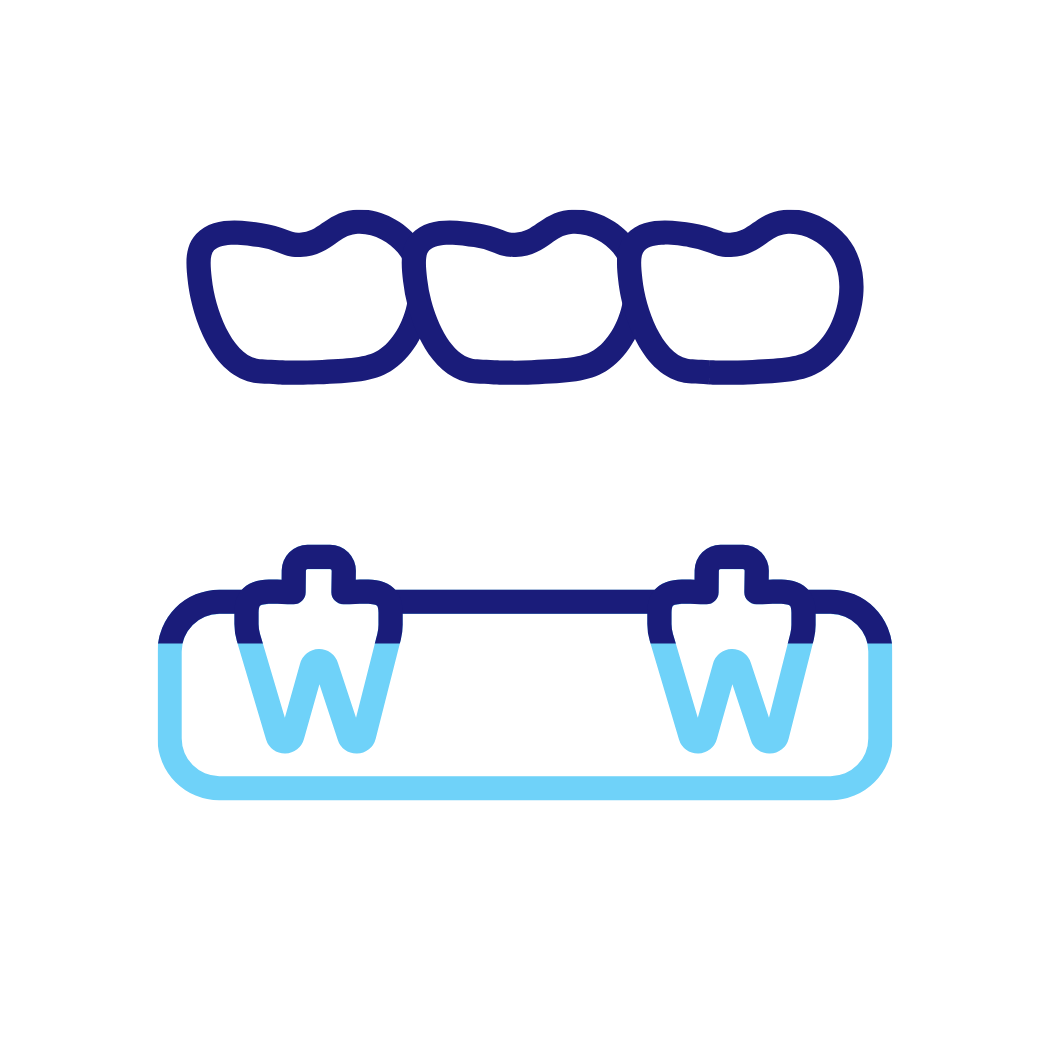
- A dental bridge anchors a false tooth to the two teeth on either side of the gap, which are filed down and capped with crowns to hold it in place.
That difference explains the trade-offs in cost, longevity, bone health and what happens to your other teeth.
Lifespan: Implants Last Longer
On durability, implants have a clear edge. The titanium post can last 20 years or more, often a lifetime, with only the crown on top occasionally needing replacement. Bridges typically last 10 to 15 years before the whole bridge needs replacing, since the supporting teeth and cement wear over time.
Interestingly, at the 10-year mark the survival rates are fairly similar (around 89% for both in the largest comparative studies). The implant's advantage really shows over the longer term, the more years you have ahead of you, the more decisively it wins on longevity.
Cost: Think Lifetime, Not Just Upfront
Here's where many people's instinct misleads them. A bridge usually costs less upfront, which makes it look like the cheaper choice. But the honest comparison is lifetime cost, not the first invoice.
Because bridges need replacing every 10 to 15 years while an implant often lasts decades, the costs can converge or even flip over a 20-year period, paying for two or three bridge replacements can match or exceed a single implant. There's also a hidden cost risk with bridges: the anchor teeth sometimes need further work (like a root canal) down the line, adding to the total. So the real question isn't "which is cheaper today," it's "which is better value over the years you'll actually have it." Our crowns and bridges page explains the bridge option in more detail.
Two Big Differences Beyond Cost and Lifespan
Two factors often tip the decision, and they're easy to overlook:
- Bone health. An implant replaces the root, which keeps stimulating your jawbone and prevents the bone loss that naturally follows a missing tooth. A bridge sits above the gum and does nothing for the bone underneath, so the jaw can slowly shrink in that spot over time.
- Your neighbouring teeth. A bridge requires filing down the two adjacent teeth, even if they're perfectly healthy, to anchor it. An implant leaves them completely untouched. If those neighbouring teeth are pristine, many dentists are reluctant to grind them down unnecessarily.
When an Implant Is Usually the Better Choice
For most healthy adults with one missing tooth, adequate jawbone and healthy neighbouring teeth, an implant tends to be the better long-term choice. It lasts longer, preserves bone, spares the adjacent teeth, and often works out as comparable or lower total cost over a few decades. The trade-offs are a higher upfront price, minor surgery, and a longer timeline (since the implant needs months to fuse with the bone).
When a Bridge Might Be the Right Call
A bridge isn't the "lesser" option, it's genuinely the better fit in several situations:
- You need a faster fix. A bridge is usually complete in a few weeks, versus months for an implant.
- You want a lower upfront cost, or implants aren't in budget right now.
- You're not a candidate for surgery, or lack the bone density for an implant without grafting.
- The neighbouring teeth already need crowns anyway, in which case using them to support a bridge makes practical sense.
In these cases, a well-made bridge is a perfectly good solution, and you can always reconsider an implant when it eventually needs replacing.
The Bottom Line
Should you get a dental implant or a bridge? For most people with one missing tooth, healthy neighbours and enough bone, an implant is the stronger long-term investment, it lasts longer, protects your jawbone, and leaves your other teeth alone. A bridge is the better choice when you want a faster, lower-upfront-cost fix, can't have surgery, or the adjacent teeth need crowning regardless. The right answer depends on your specific mouth, which is exactly what a consultation sorts out.
Not sure which option fits your situation? Get in touch with our team at Bright Smile Tacoma, or visit us to get a personalised recommendation.