
A crown is a real investment in a tooth, so it's fair to want to know how long it'll last before you're back in the chair. So how long do dental crowns last? Most last 10 to 15 years, and many go well beyond 20 with good care, but the material makes a big difference. Here's the lifespan of each crown type, what shortens or extends it, and the signs it's time for a replacement.
The Quick Answer
Most dental crowns last 10 to 15 years, which is the figure used by the American Dental Association. With the right material and good care, plenty last 20 to 25 years, and some go a lifetime. Where your crown lands in that range depends on three things: the material it's made from, where the tooth sits in your mouth, and how well you care for it day to day.
One honest note up front: crowns are durable, but not permanent. Even a well-made, well-maintained crown eventually wears at the margins over the decades. Think of a crown as a long-term solution, not a forever one.
Crown Lifespan by Material
The material is the single biggest factor in how long a crown lasts:
- Gold and metal alloy: 20 to 40+ years. The longest-lasting option by far. Gold is gentle on opposing teeth and nearly indestructible, but its colour means it's used on out-of-sight back teeth.
- Zirconia: 15 to 25+ years. A very strong, tooth-coloured ceramic that handles heavy chewing well, which is why it's a popular modern choice for both front and back teeth.
- Porcelain-fused-to-metal (PFM): 10 to 15+ years. A strong metal base with a natural-looking porcelain outer layer. A thin dark line can sometimes appear at the gum over time.
- All-porcelain / all-ceramic: 10 to 15 years. The most natural-looking, often chosen for front teeth, but can chip under heavy biting force on molars.
- Resin: 3 to 7 years. The least durable, mostly used for temporary crowns.
What Makes a Crown Last Longer (or Wear Out Sooner)
Material sets the ceiling, but your habits decide whether you reach it. The biggest factors:
- Oral hygiene. The crown itself won't decay, but the natural tooth underneath it can, and new decay at the margin (where crown meets tooth) is the most common reason crowns fail. Brushing and flossing around that edge is essential.
- Teeth grinding. Clenching or grinding puts heavy stress on a crown. If you grind, a night guard genuinely protects your investment.
- Where the tooth sits. Back molars endure far more chewing force than front teeth, so crowns there tend to wear faster.
- Habits. Chewing ice, biting nails or using teeth as tools can crack even a strong crown.
- Regular checkups. A six-month cleaning lets your dentist inspect the crown margin and catch small problems before they become a failed crown.
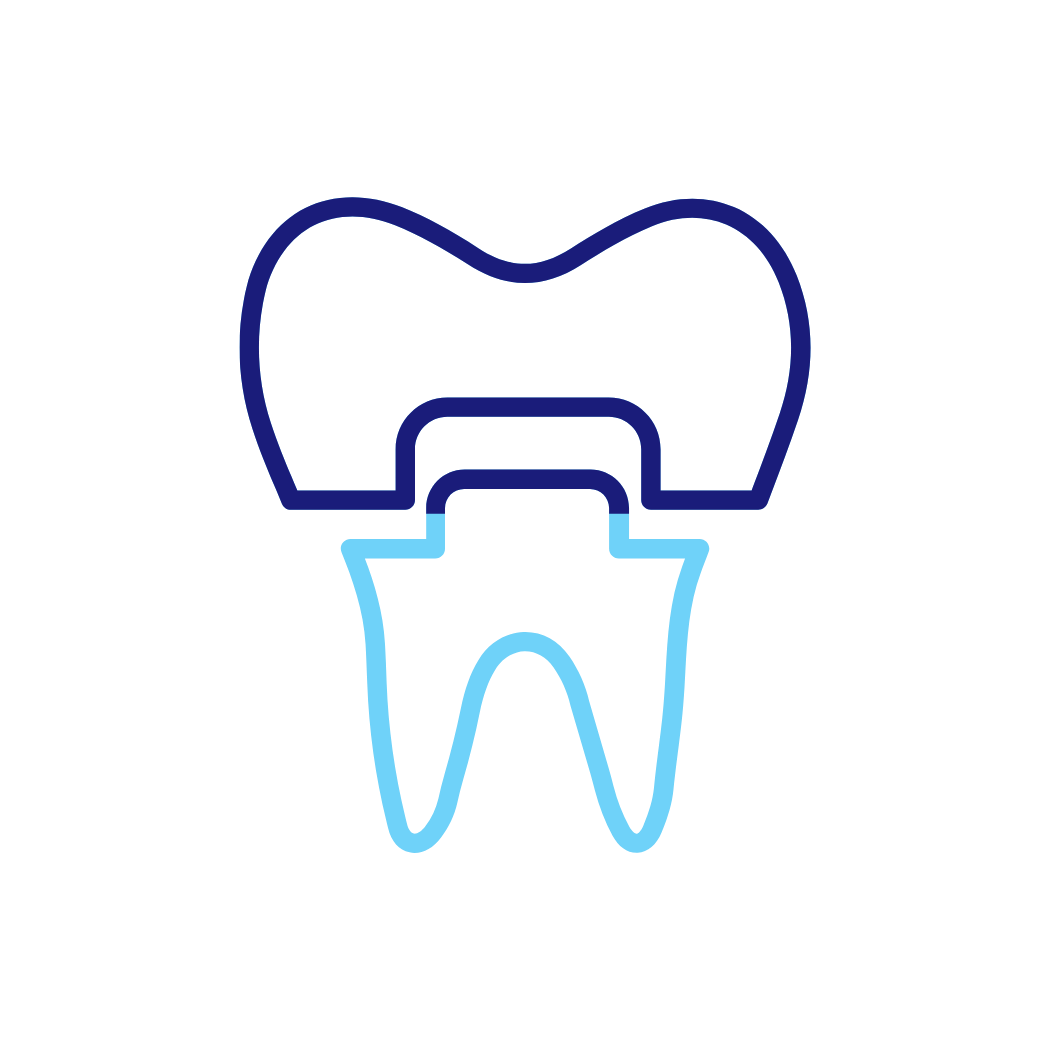
Our crowns and bridges page explains how we fit and care for crowns to get the most from them.
Signs Your Crown May Need Replacing
A crown rarely fails overnight. Watch for these signs that it may be nearing the end of its life, and worth having checked:
- New sensitivity or pain in the crowned tooth, which can signal decay developing underneath.
- A visible crack, chip, or wear on the crown surface.
- A loose crown, or one that feels like it shifts slightly when you bite.
- A dark line or receding gum at the base, exposing the margin (both cosmetic and a decay risk).
- Food consistently trapping around the crown, which can mean the fit or margin has changed.
Importantly, a crown that doesn't hurt isn't automatically fine, decay can develop painlessly under a crown, which is exactly why those regular checkups matter. If you notice any of these signs, get in touch with our team to have the crown assessed rather than waiting.
A Note on Replacement
Most crowns will need replacing at some point, and that's normal, not a failure. When the time comes, the old crown is removed and a new one fitted, often an opportunity to choose a more durable material if the original was a shorter-lasting type. One practical heads-up: many dental insurance plans require a 5-to-10-year wait before they'll help pay to replace a crown, so timing can matter if coverage is a factor.
The Bottom Line
How long do dental crowns last? Most give you 10 to 15 years, with gold and zirconia often lasting 20 to 30+ and all-porcelain closer to 10 to 15. But the material only sets the range, good oral hygiene, a night guard if you grind, and regular checkups are what push a crown toward the top of its lifespan. Watch for sensitivity, cracks, looseness or a changing fit, and get those checked early, because catching a problem at the margin can sometimes save the tooth underneath.
Wondering how much life is left in your crown, or whether it's time to replace one? Visit Bright Smile Tacoma for an assessment.