A toothache that won't quit, or a sudden jolt of pain from your morning coffee, is often your body's way of telling you something is wrong beneath the surface. Recognising the signs you need a root canal early can mean the difference between a straightforward fix and a much bigger problem. Here's what to watch for, and exactly what happens once you're in the chair.
Common Signs You Need a Root Canal
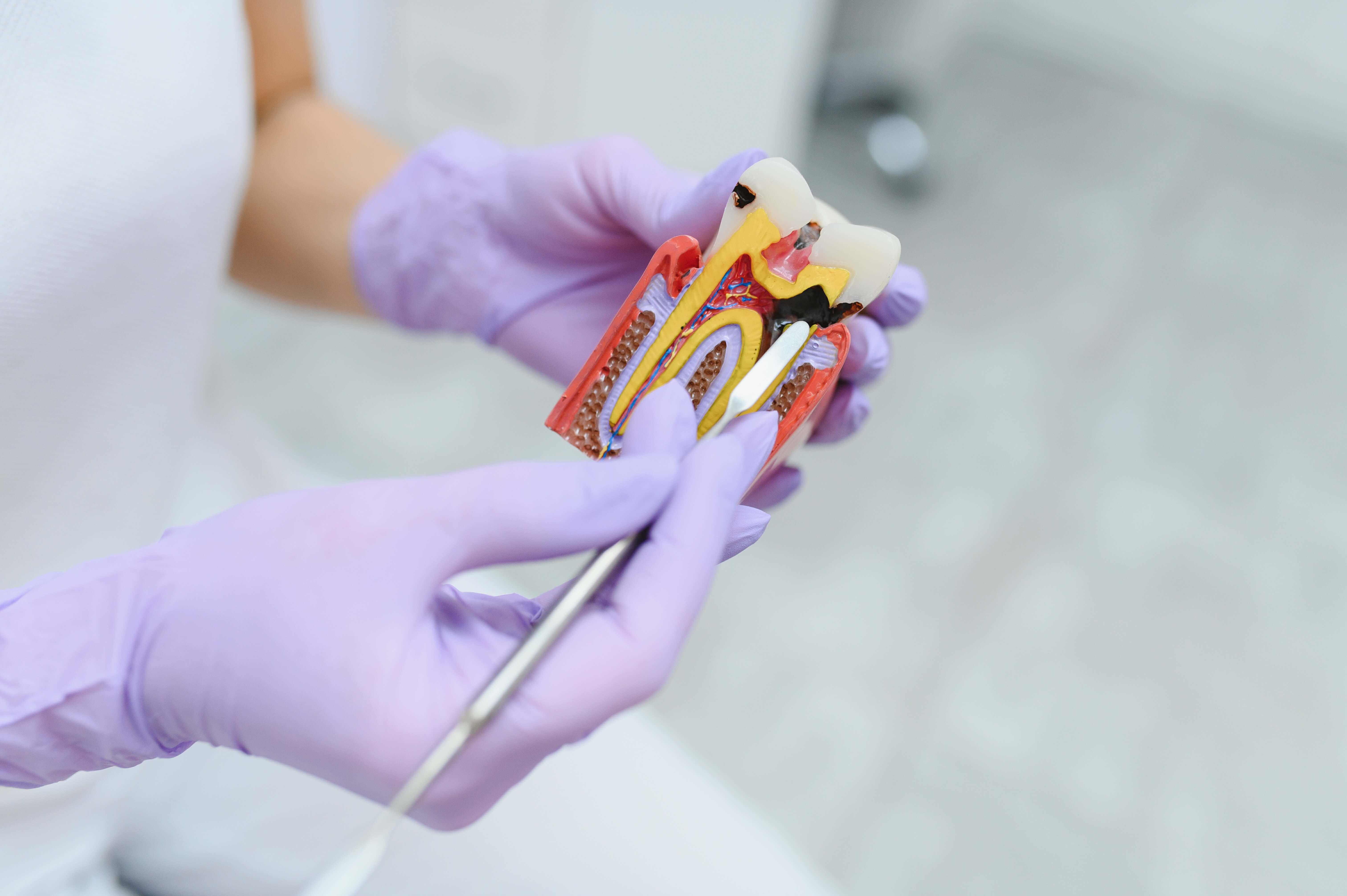
A root canal becomes necessary when the pulp, the soft tissue inside your tooth containing nerves and blood vessels, becomes infected or inflamed. A few symptoms tend to show up together:
- Lingering sensitivity. Brief sensitivity to hot or cold is normal, but pain that continues well after the stimulus is gone often points to nerve involvement.
- Persistent or throbbing pain. Especially pain that worsens over days, or radiates toward your jaw or ear.
- Pain when biting or touching the tooth. This can mean the infection has spread to the tissue surrounding the root.
- A pimple-like bump on the gums, along with swelling or tenderness nearby.
- A tooth that's darkened or greyed compared to those around it.
It's worth knowing that some infected teeth show no symptoms at all, which is exactly why regular checkups catch problems before they hurt. Only an exam and X-ray can confirm whether you actually need treatment, since several of these signs can overlap with less serious issues like a simple cavity.
Tooth Pain: When to See a Dentist
Working out tooth pain and when to see a dentist comes down to how long it lasts and how it behaves. Sensitivity that fades within a few seconds is usually nothing urgent. Pain that lingers for more than a day or two, worsens over time, or comes with swelling deserves a proper look.
Don't try to wait it out or self-diagnose. Dental infections don't resolve on their own, and delaying care generally makes the eventual treatment more complicated, not less. If you're dealing with any of these symptoms, get in touch with our team and we'll get you seen promptly.
What Happens During a Root Canal Appointment
The idea of a root canal carries a reputation that doesn't match the modern reality. Your dentist fully numbs the area before starting, so the procedure itself isn't what people typically fear, it's actually the untreated infection causing the pain beforehand.
During the appointment, your dentist removes the infected or inflamed pulp, cleans and shapes the inner chamber of the tooth, then fills and seals it. In most cases, the tooth will need a crown afterward to restore its strength and protect it from future damage.
Root Canal Recovery Time: What to Expect
Root canal recovery time is generally shorter than people expect. Most patients experience mild soreness or sensitivity for a few days afterward, manageable with over-the-counter pain relief, and many return to their normal routine the very next day.
A few things to keep in mind during recovery:
- Avoid chewing on the treated tooth until any permanent restoration, like a crown, is in place.
- Stick to your usual oral hygiene routine, brushing and flossing as normal.
- Watch for pain that worsens after the first day or two, fever, or increasing swelling, and contact your dentist if these appear.
With proper restoration and care, a root canal-treated tooth can last a lifetime. Our root canal therapy page covers what the full treatment and recovery process looks like in more detail.
When Tooth Pain Becomes Urgent Dental Care
Some symptoms cross the line from "book an appointment soon" to genuine urgent dental care: significant facial swelling, fever, difficulty swallowing or breathing, or pain that's escalating rapidly. These can indicate a spreading infection and need same-day attention rather than a routine booking.
The Bottom Line
Persistent pain, lingering sensitivity, gum swelling or a darkening tooth are all worth getting checked rather than waiting out. A root canal is a tooth-saving procedure, not something to fear, and catching the signs early usually means a simpler, more comfortable path to relief.
If you're experiencing any of these symptoms, visit Bright Smile Tacoma to book an exam and find out exactly what your tooth needs.