Bleeding gums when you brush might seem minor enough to ignore, but it's often the earliest warning sign your body gives you. Understanding what causes gum disease, and catching it in its earliest, most reversible stage, can be the difference between a simple cleaning and years of ongoing treatment. Here's what actually causes it, how to spot it early, and what treatment looks like at each stage.
What Causes Gum Disease in the First Place
Gum disease starts with plaque, a sticky film of bacteria that constantly forms on your teeth. When plaque isn't removed thoroughly through daily brushing and flossing, the bacteria irritate and inflame the gum tissue, and that inflammation is where gum disease begins.
A few factors make some people more prone to it than others:
- Poor or inconsistent oral hygiene, which allows plaque to build up and eventually harden into tartar that only a dental professional can remove.
- Smoking and tobacco use, one of the strongest risk factors for both developing gum disease and it progressing more aggressively.
- A diet high in sugar, which feeds the bacteria responsible for plaque formation.
- Certain health conditions, particularly diabetes, which can make gum disease harder to manage and more likely to worsen.
- Genetics, since some people are simply more prone to the specific bacteria that cause gum disease, regardless of how well they care for their teeth.
-
How to Know If You Have Gum Disease
Working out how to know if you have gum disease can be tricky, because early stages often cause little to no pain. A few signs are worth paying attention to:
- Gums that bleed when you brush or floss
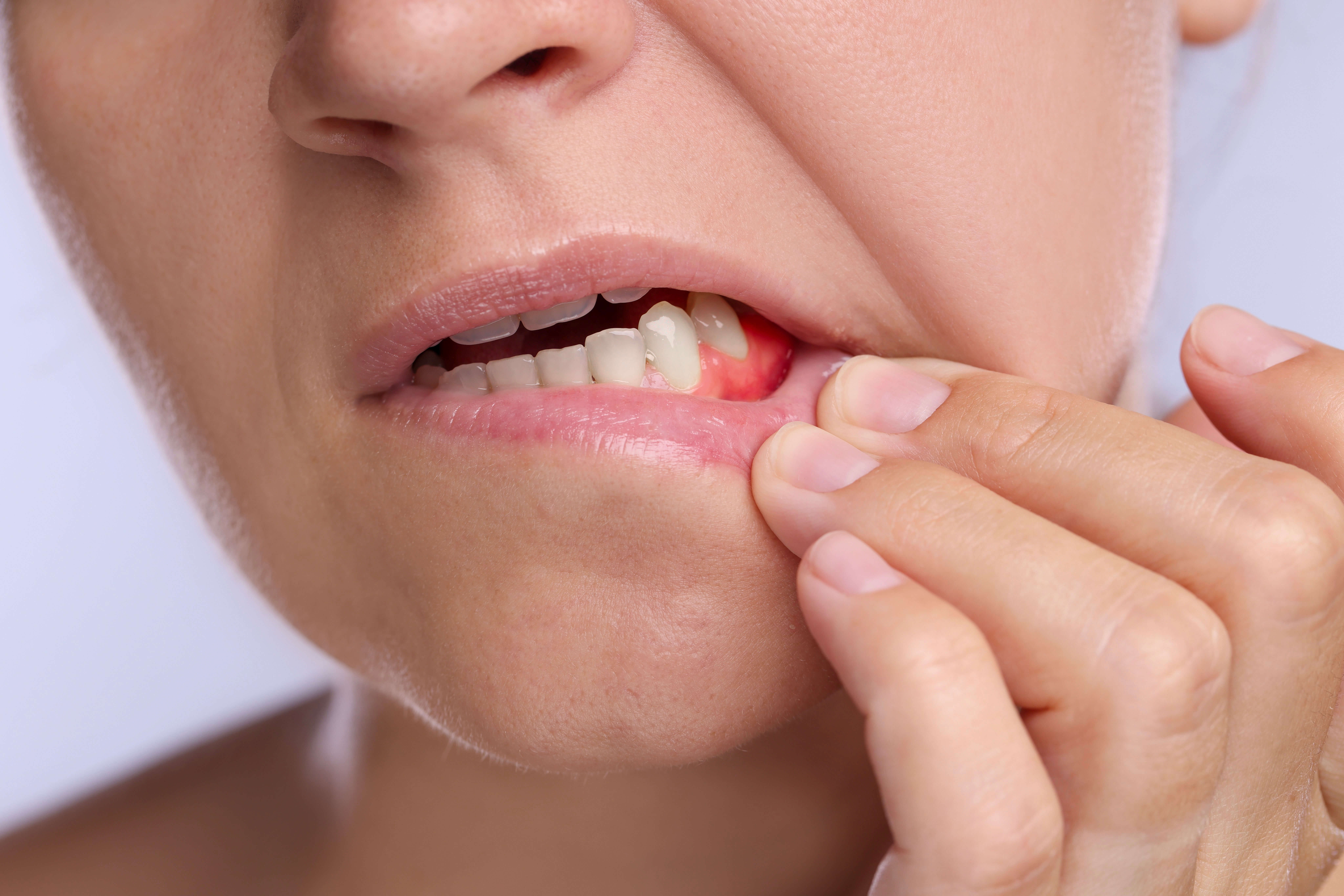
- Red, swollen or tender gums, rather than the firm, pale pink of healthy tissue
- Persistent bad breath or a bad taste that doesn't go away
- Gums that appear to be pulling away from your teeth
- Teeth that feel loose or shift position
Because gum disease often progresses without obvious pain, regular checkups matter more than symptoms alone. Our gum disease services page covers how we assess and diagnose it during a routine visit, often before you'd notice anything yourself.
The Two Stages: Gingivitis vs Periodontitis
Gum disease develops in stages, and knowing where you sit matters for what treatment looks like.
Gingivitis is the earliest stage. At this point, the bacteria are irritating the gum tissue, but the bone and connective structures holding your teeth in place haven't been affected yet. This is the good news: gingivitis is fully reversible with proper treatment and improved oral hygiene.
Periodontitis develops when gingivitis goes untreated and the bacteria spread below the gum line. The bone and connective tissue supporting your teeth begin to break down, gums start to recede, and pockets form between the teeth and gums. Unlike gingivitis, periodontitis isn't fully reversible, though treatment can stop it from progressing further and manage the damage already done.
How to Prevent Gum Disease
The good news is that how to prevent gum disease comes down to habits that are largely within your control:
- Brush twice daily and floss once a day, focusing on the gum line where plaque tends to accumulate.
- Cut back on sugary foods and drinks, which directly feed the bacteria responsible for plaque.
- Avoid smoking and tobacco products, since they significantly raise your risk regardless of how well you otherwise care for your teeth.
- Keep up with regular dental checkups and cleanings, so plaque that's hardened into tartar can be professionally removed before it causes lasting damage.
-
Gum Disease Treatment Options
The right gum disease treatment options depend heavily on which stage you're at. Gingivitis typically responds well to a thorough professional cleaning combined with improved home care, often resolving completely within weeks. Early periodontitis usually requires scaling and root planing, a deeper cleaning that removes plaque and tartar from below the gum line and smooths the tooth root to help gums reattach.
More advanced periodontitis may require additional procedures to reduce pocket depth or regenerate lost bone and tissue, alongside an ongoing maintenance schedule to keep the condition from progressing further.
The Bottom Line
Gum disease starts quietly, with bleeding gums that are easy to dismiss, but catching it at the gingivitis stage means it's still fully reversible. The earlier it's identified, the simpler and less invasive treatment tends to be.
If you've noticed any of these signs, visit Bright Smile Tacoma to book an exam and find out exactly where your gum health stands.