You just got a cavity fixed, so why does that tooth now zing when you drink something cold or bite down? It's one of the most common questions dentists hear, and the reassuring answer is that tooth sensitivity after a filling is usually normal and temporary. But there's a clear line between healing and a genuine problem, and knowing it saves you both needless worry and, occasionally, a needed phone call. Here's what's going on.
Why It Happens in the First Place
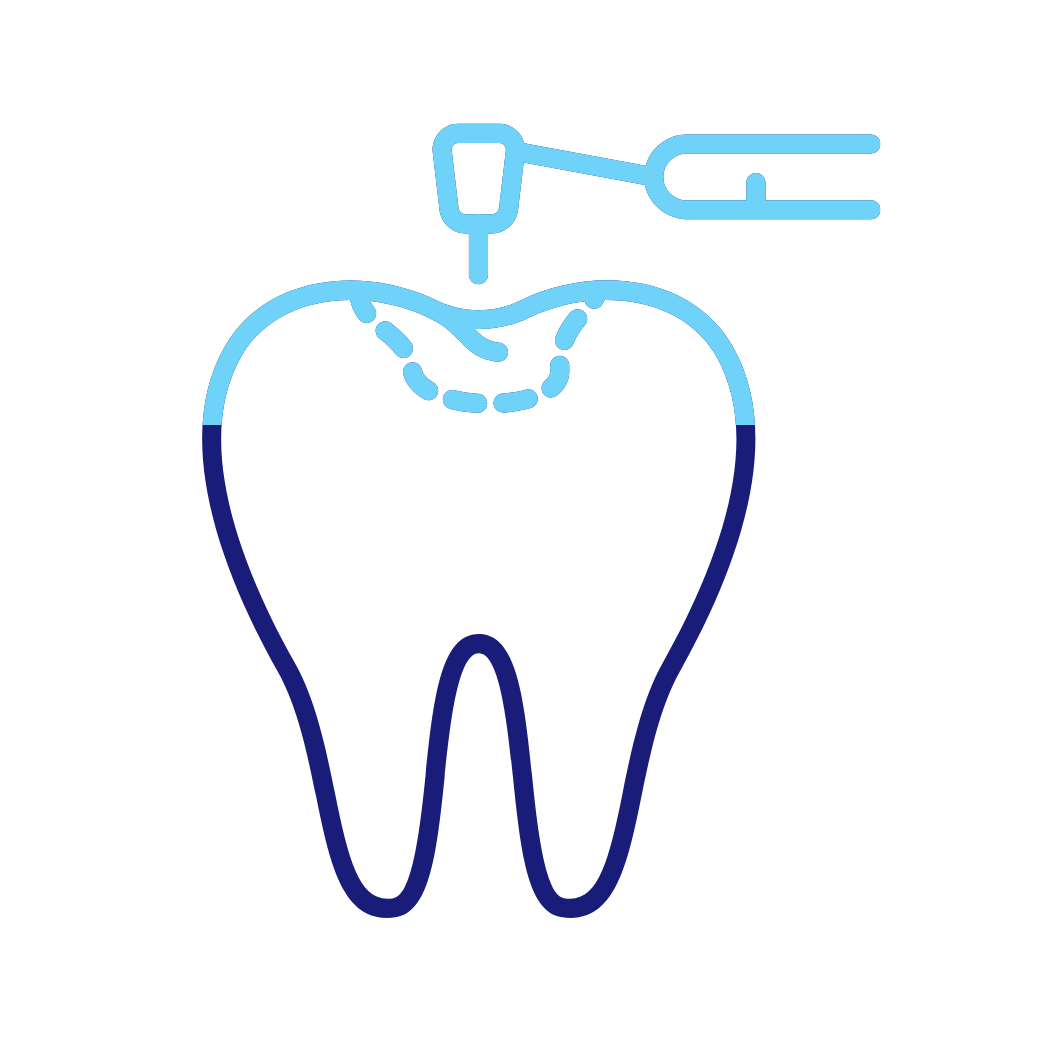
The main cause is simple: the nerve inside your tooth got irritated during the procedure. To place a filling, the dentist removes decay by drilling, then bonds and cures the new material, and all of that mildly inflames the dental pulp (the nerve tissue at the tooth's core).
That inflammation, known as reversible pulpitis, makes the nerve temporarily hyper-reactive, so things that never used to bother it, cold drinks, pressure when chewing, suddenly trigger a quick zing. As the nerve calms down and heals, the sensitivity fades, and the tooth goes back to feeling like any other. Importantly, this is a normal biological response to the procedure, not a sign the filling was done wrong.
What Normal Sensitivity Feels Like, and How Long It Lasts
Normal post-filling sensitivity has a recognisable character: short, mild "zings" to temperature or pressure that pass quickly, and that steadily improve over time rather than getting worse.
A rough timeline looks like this:
- Days 1 to 3: inflammation peaks; mild sensitivity to cold and pressure is at its most noticeable.
- Days 4 to 14: sensitivity steadily decreases, though biting may still feel slightly different.
- Weeks 2 to 4: mostly resolved, with perhaps occasional mild twinges.
Most sensitivity settles within two to four weeks, though for a deep filling close to the nerve, the outer edge of normal stretches to around four to six weeks. Deeper cavity, longer settling time.
Easing the Discomfort While It Heals
While the tooth calms down, a few simple things help:
- Avoid very hot, very cold and sugary foods that trigger the zing.
- Chew on the other side of your mouth for a few days.
- Use a desensitising toothpaste, which helps calm nerve reactivity over time.
- A warm saltwater rinse can soothe the area.
- Over-the-counter pain relief, taken as directed, handles mild discomfort.
None of these speed the nerve's healing dramatically, but they make the waiting far more comfortable.
The One Fixable Cause Worth Knowing About
Here's a specific cause that doesn't resolve on its own: a "high" filling, also called a bite misalignment. If the new filling sits even slightly too tall, your teeth meet on it first every time you bite, concentrating pressure on that one spot.
This is actually one of the most common correctable causes of post-filling discomfort, and the telltale sign is that the tooth feels "too high" or hits first when you close your mouth. The good news is the fix is quick and easy: a dentist simply polishes the filling down to the correct height in a short appointment. If your tooth feels high rather than just sensitive, that's worth a call rather than waiting it out, no amount of healing time corrects a bite that's off.
When to Call Your Dentist
Most sensitivity is normal, but some patterns signal a problem that needs attention. Contact your dentist if:
- Sensitivity lasts beyond about four weeks without improving, or is getting worse rather than better.
- Sharp pain lingers for more than 30 seconds after the hot or cold stimulus is gone, which can suggest deeper nerve involvement.
- The tooth feels "too high" when you bite (the quick fix above).
- You have spontaneous, throbbing pain, especially pain that wakes you at night.
- Sensitivity comes with swelling, redness or fever, or you suspect a crack in the filling or tooth.
The simplest rule: normal sensitivity improves steadily and has an obvious trigger. Pain that lingers, throbs on its own, or worsens over time is your cue to get it checked. If any of that sounds like your tooth, get in touch with our team and we'll take a look.
The Bottom Line
A tooth that's sensitive after a filling is almost always just healing, the nerve was mildly irritated during the procedure and needs two to four weeks (sometimes a little longer for deep fillings) to settle. Ease it with desensitising toothpaste and by avoiding temperature extremes, and watch the trend: steady improvement is normal, while lingering, worsening, or throbbing pain, or a tooth that feels too high, deserves a dentist's attention. Our general dentistry page explains how we handle fillings and follow-up care.
Still uncomfortable, or not sure if what you're feeling is normal? Visit Bright Smile Tacoma and we'll make sure everything's healing as it should.