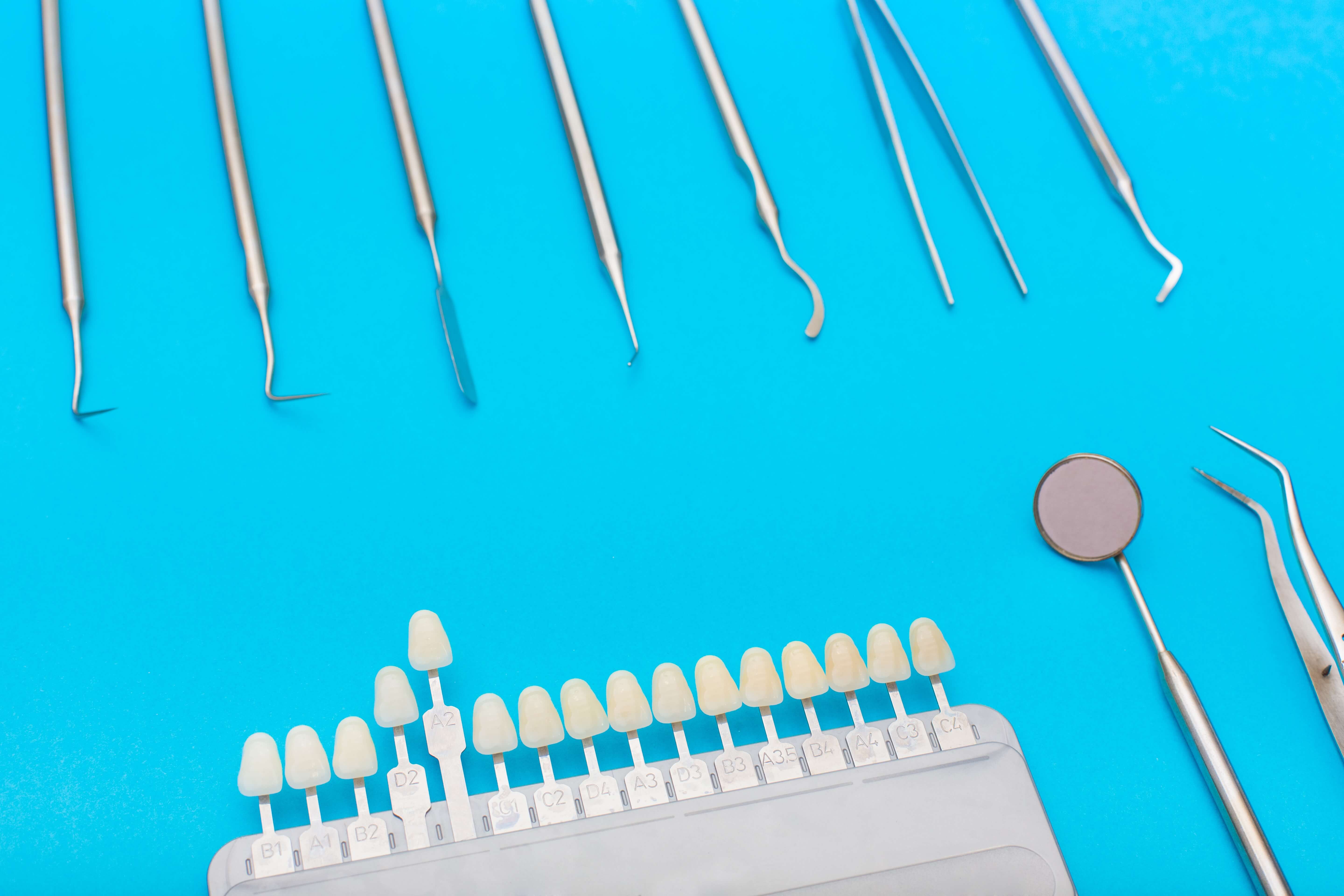
Veneers vs Crowns: How to Choose the Right Option for Your Smile
Staring at two treatment plans for the same problem, one for veneers and one for crowns, is more common than most patients realise. The veneers vs crowns decision comes up constantly for chipped, discoloured or worn teeth, and picking the wrong one can mean paying for a fix that doesn't actually solve your problem. Here's how to tell which option genuinely suits your smile.
What's the Difference Between a Veneer and a Crown?
The dental crown vs veneer distinction comes down to how much of the tooth each one covers.
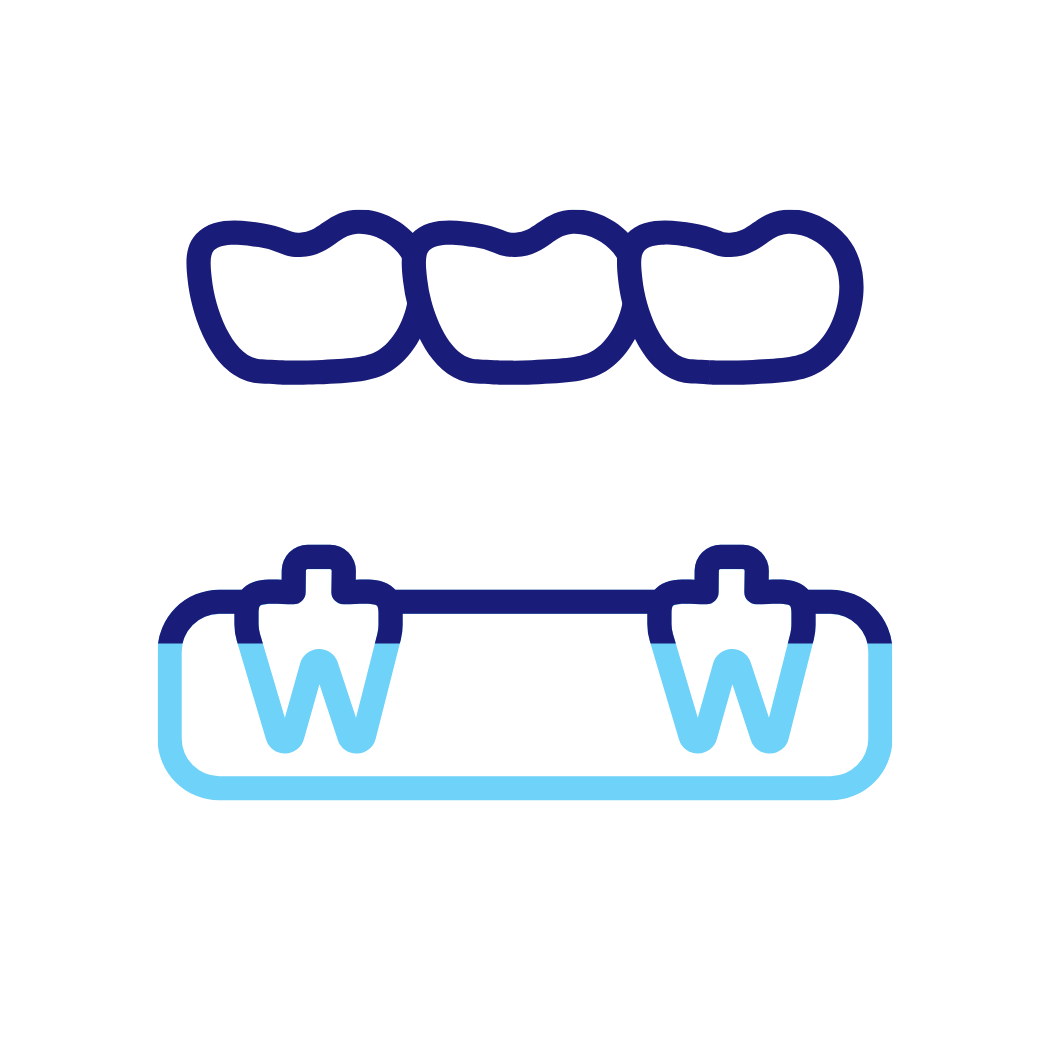
- Veneers are thin shells, usually porcelain or composite, bonded only to the front surface of a tooth. They're a cosmetic fix for discolouration, small chips, gaps or minor misalignment.
- Crowns cover the entire visible tooth, all the way around. They're built to restore strength and function on teeth that are cracked, decayed or structurally weakened, not just to improve appearance.
If your tooth still has good structural integrity and the issue is purely cosmetic, a veneer usually does the job. If the tooth itself is compromised, a veneer won't hold up, and a crown becomes the more appropriate fix. Our veneers services page breaks down exactly which cases we typically recommend each option for.
Dental Veneers Cost vs Crown Cost
Dental veneers cost varies significantly by material. Composite veneers generally run $250 to $1,500 per tooth, while porcelain veneers sit higher, typically $800 to $2,500 per tooth, because each shell is custom fabricated in a dental lab.
Crowns tend to land in a similar range, usually $800 to $3,000 per tooth depending on material and how much preparation the tooth needs. On paper, the ranges overlap, but the deciding factor usually isn't price. It's whether your tooth needs cosmetic coverage or structural reinforcement, since choosing based on cost alone can leave a weakened tooth without the protection it actually needs.
Porcelain Veneers vs Composite: Which Type Should You Choose?
If you've settled on veneers, the porcelain veneers vs composite decision is the next one to make.
- Composite veneers are applied directly in a single visit, cost less upfront, and are easier to repair or reverse. They typically last four to eight years.
- Porcelain veneers require at least two visits and lab fabrication, cost more, but resist staining better and typically last 10 to 15 years or longer with proper care.
Composite suits a tight budget, a single chipped tooth, or a fast fix before a specific event. Porcelain tends to make more sense for a full smile makeover, where longevity and stain resistance matter across several teeth. Since porcelain involves permanently removing a thin layer of enamel, it's worth booking a consultation to talk through which material actually fits your situation before committing.
When to Choose a Veneer vs a Crown
A few quick questions can point you toward the right option:
- Is the tooth structurally sound? Sound tooth, cosmetic issue, veneer. Weakened or decayed tooth, crown.
- How many teeth are involved? A single problem tooth often suits a crown; multiple front teeth for appearance often suits veneers.
- What's your priority, look or function? Veneers are built for appearance. Crowns are built for both strength and appearance.
The Bottom Line
Veneers vs crowns isn't about which treatment is "better," it's about matching the fix to the actual problem. Veneers handle cosmetic concerns on healthy teeth. Crowns protect and rebuild teeth that need real structural support. Getting this choice right the first time saves you from paying twice.
If you're not sure which option fits your smile, reach out to Bright Smile Tacoma and we'll help you figure out the right fit before any work begins.